
Utah Small Estate Procedures & Probate Alternatives
When You Can Avoid Probate in Utah (and When You Can’t)
Many Utah families hear that “small estates don’t need probate” and assume there is a simple shortcut. In reality, Utah’s small estate rules are narrow and often misunderstood.
Utah does allow limited procedures that avoid probate in specific situations. This page explains what qualifies as a small estate in Utah, when simplified transfers are allowed, and how probate alternatives work alongside—rather than replace—estate planning.
Why this Matters
Probate alternatives can save time and expense, but only when used correctly.
Many families discover the limits of these options too late, often after learning that real estate or account structure still requires court involvement. Understanding what Utah allows—and what it does not—helps families avoid false assumptions and stalled transfers.
What Counts as a “Small Estate” in Utah
A “small estate” in Utah is defined by statute, not by how simple the family situation feels.
Under Utah Code §75-3-1201, a small estate exists only when:
- The decedent owned $100,000 or less in personal property, and
- The decedent owned no real estate in their individual name
Personal property may include:
- Bank accounts
- Vehicles
- Furniture and household items
- Small investment accounts
- Refunds or checks payable to the decedent
If real estate is involved, probate is generally required—regardless of the estate’s size.
How the Utah Small Estate Affidavit Works
Utah’s small estate affidavit allows an heir to collect certain assets without opening a probate case.
The affidavit may be used only if:
- At least 30 days have passed since death
- No probate case has been opened
- Total qualifying personal property does not exceed $100,000
When properly completed, many banks and institutions will release assets based on the affidavit alone.
Many Utah families assume the affidavit applies broadly. It does not.

When A Small Estate Affidavit Can Be Used
Common qualifying situations include:
- A checking or savings account with a modest balance
- An uncashed paycheck or refund
- A vehicle titled solely to the decedent
- Personal belongings
These are narrow circumstances designed for efficiency—not comprehensive estate settlement.
When A Small Estate Affidavit Cannot Be Used
A small estate affidavit cannot be used when:
- The estate includes real property (home, land, cabin)
- The total personal property exceeds $100,000
- There are disputes among heirs
- A financial institution requires court-issued authority
In these situations, probate or another planning tool is required.
What Can Go Wrong if It's Done Incorrectly
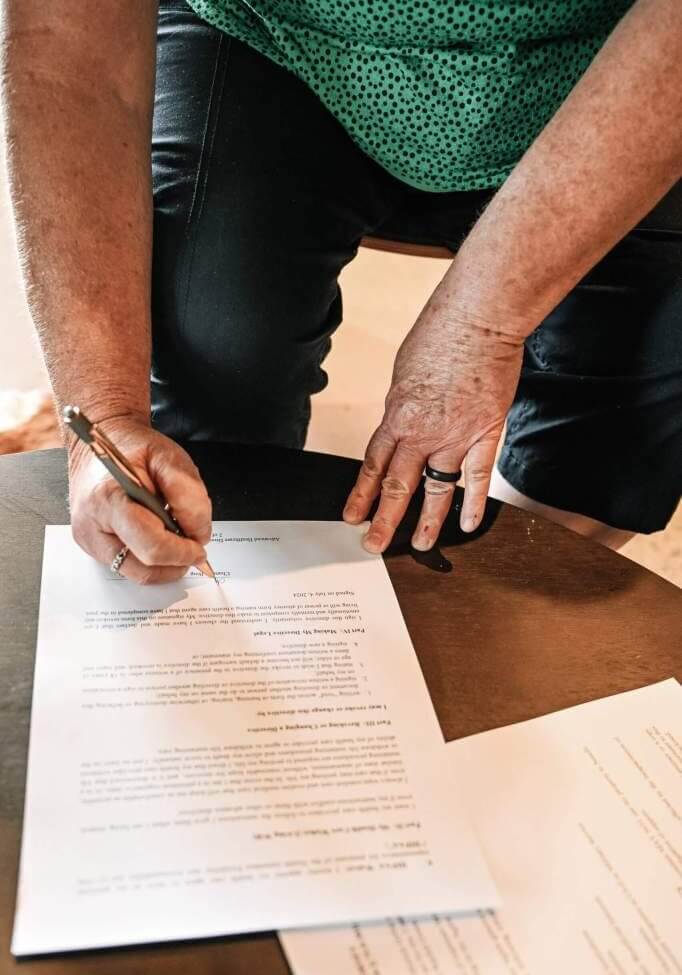
Utah’s small estate affidavit works only in narrow situations. When used outside those limits, it can create delays and unexpected court involvement.
Common issues include:
- Real estate triggering probate anyway
Small estate affidavits cannot transfer homes or land titled solely in the decedent’s name. - Asset values exceeding the statutory limit
If total personal property exceeds $100,000, the affidavit is not valid. - Institutions refusing informal transfers
Some banks or asset holders still require court-issued authority. - Disputes among heirs
The affidavit is not designed for contested estates and may be rejected when disagreements arise. - Partial access creating confusion
Some assets may transfer while others remain inaccessible, delaying estate settlement.
Small estate affidavits are helpful tools, but their effectiveness depends on whether the estate fits Utah’s strict requirements.
Who This Matters Most For
A Utah Small Estate Affidavit matters most for families who want a faster, simpler way to handle certain assets when full probate isn’t required, including:
- Surviving spouses handling modest estates
- Adult children settling a parent’s limited assets
- Families dealing with bank accounts or personal property only
- Heirs when no real estate is involved
- Individuals named as successors or beneficiaries who want to avoid court
- Families seeking a lower-cost, lower-stress option after a death
This process is not available in every situation. This option is only available when Utah’s statutory requirements are met, including limits on asset type, value, and timing.
How Things Play Out
The One With the Single Bank Account
Adult Child — Small Estate Affidavit Used Successfully
Situation: A woman passed away owning one checking account and no real estate.
Problem: Opening a full probate would have taken more time and money than the account was worth.
Outcome: Her daughter used a Utah Small Estate Affidavit to collect the funds without opening probate.
Lesson: The small estate affidavit works well when the facts fit the statute.
The One Where the House Changed Everything
Family Heirs — Real Estate Triggered Probate
Situation: A family attempted to use a small estate affidavit to transfer assets after a parent’s death.
Problem: The parent’s home was titled solely in their name, even though the estate’s overall value was modest.
Outcome: Probate was required before the home could be transferred.
Lesson: Owning real estate changes the analysis and often requires probate, regardless of estate size.
The One Where Probate Wasn’t Needed at All
Named Beneficiaries — Assets Passed Outside Probate
Situation: A father named his children as POD beneficiaries on his savings accounts.
Problem: The family wasn’t sure whether probate or an affidavit was required.
Outcome: The accounts transferred immediately after death, without probate or a small estate affidavit.
Lesson: Proper beneficiary designations can bypass probate entirely for specific assets.
How Small Estate Procedures Fit Into a Complete Plan
Small estate tools and probate alternatives work best when they are part of a broader strategy.
Results depend on:
- Asset type and value
- How property is titled
- Beneficiary designations
- Coordination with wills and trusts
Utah’s small estate rules are helpful, but limited.
Common Questions
Whether probate can be avoided depends on asset structure, not assumptions.
The right plan depends on your family, assets, and goals. If you’re exploring your options, our team can walk you through what these concepts mean for a typical Utah family.
This page offers general educational information about Utah estate planning. It is not legal advice, and any examples described are hypothetical illustrations, not real clients or situations.